Today's discussion: in a growing world with immense losses and waste, are Net Zero scenarios still relevant?
Indeed:
30% of our food is lost from harvest to plate
66% of our primary energy is lost as unnecessary heat
Global energy demand continues to grow
Our societies are built around the idea that we can consume fossil fuels in unlimited quantities
Wouldn't the royal path then be to reduce our consumption?
▶️ Let's see what research says about this.
▪️ Energy demands, metals, or global emissions are actually aggregates of very different situations:
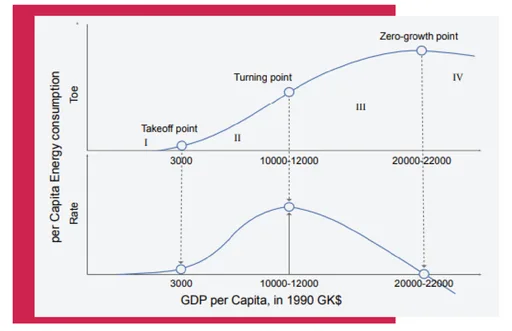
countries saturated with infrastructure and stagnating or declining demographics see their varied consumption decrease
others still invest massively in basic infrastructure (access to water, electricity, roads)
and others have yet to start their development phase
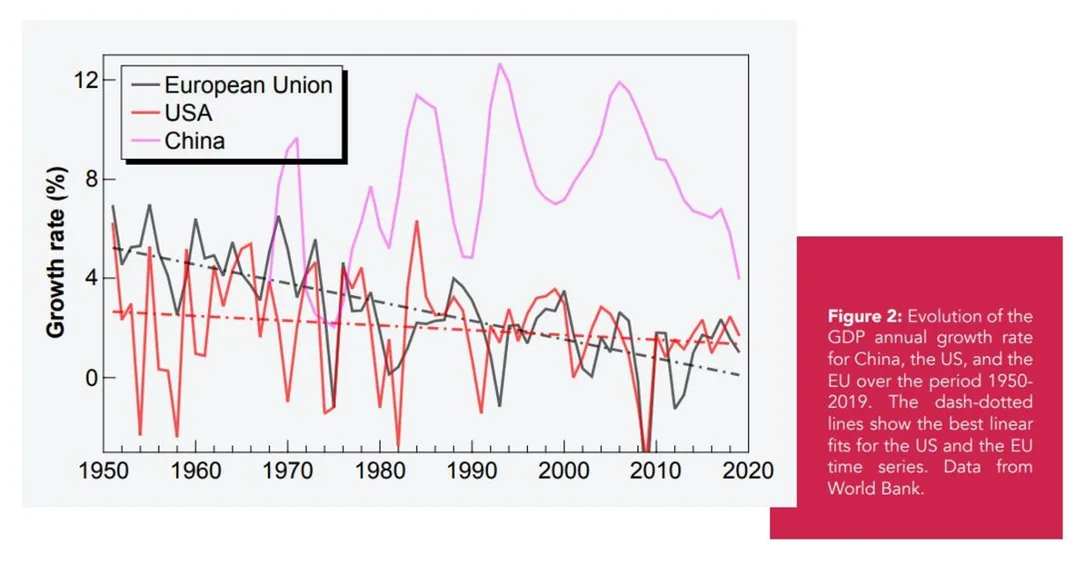
▪️ Saying our world "is growing" is a shortcut that masks underlying dynamics. For example, India and China represent almost 3 billion people and can alone create trends.
70% of coal (>40% of global emissions) is burned in China and India
70% of emissions are now located in emerging markets, with economic and sometimes demographic growth
▪️ Acting on demand thus means:
OECD countries that have reached a more mature development stage can reduce demand significantly
emerging countries should avoid as much as possible following our historical trajectory, without compromising their objectives and needs
▪️ There are "Low Energy Demand" scenarios that include radical and planned social transformations allowing a 25–40% reduction in global energy demand by 2050 compared to conventional scenarios.
But of course, the remaining energy need must still be decarbonized! Not doing so would condemn us to consume fossil fuels, and therefore to prolong their environmental impacts and climate drift. This means EVs, renewables, heat pumps, electrification, etc.
➡️ 4 conclusions:
The technological lever is ALWAYS largely mobilized, both to consume, produce, and save energy
LED scenarios primarily aim to avoid reliance on negative emissions
The more radical the social transformations, the less realistic they are globally (coordination and acceptability)
We are today VERY far from producing enough decarbonized energy EVEN to meet the lowest demand scenarios
➡️ Far from oppositions and conditionalities, research calls for collaboration between different imaginaries, each paying particular attention to specific and complementary levers.
Beware of exclusive and conflictual narratives circulating in our public space: their objective is to create clans whose identities are built around simple and shocking ideas. Thus technology would be the alpha and omega, or social transformations, or nuclear, or renewables, or sobriety, etc.
Our knowledge contradicts this compartmentalization, responsible for artificially exacerbating our social conflicts for ideological, marketing or audience reasons.